Reimagining Downtown Halifax for Sensory Accessibility.

When we talk about accessibility in cities, the conversation often stops at the visible ramps, elevators, curb cuts, and tactile strips. But there is another side of accessibility that is less visible yet profoundly impactful: sensory accessibility. This is the kind of access that addresses how environments feel, sound, and stimulate the senses, a dimension that is often ignored in urban planning.

As a graduate planning student at Dalhousie University, I’ve worked on the impact of truck traffic on downtown Halifax during my first semester. What began as a logistics and mobility project gradually revealed something deeper after I joined PEACH Research lab – a pattern of urban inaccessibility rooted in sensory stressors. This shift in focus was sparked by observing how truck noise and movement affected everyday pedestrian experiences, especially for people with sensory sensitivities.

However, revisiting this work through the lens of accessibility planning reveals something deeper. The movement of heavy container trucks through core areas like Hollis Street and Lower Water Street is not just a traffic issue; it creates conditions that are overwhelming, disorienting, and unsafe for many residents.  

Noise levels from diesel trucks can reach between 90 and 110 decibels (dB), which is far above safe hearing thresholds. According to the Centers for Disease Control and Prevention (CDC), exposure to noise above 85 dB can lead to hearing damage after prolonged exposure. But for individuals with autism, post-traumatic stress disorder (PTSD), sensory processing disorder, or other sensory sensitivities, even short-term exposure can trigger anxiety, confusion, and physical pain (CDC, 2022).

 Image showcasing the difference between Normal Truck (on the left) and Electric Truck (on the right).
Image showcasing the difference between Normal Truck (on the left) and Electric Truck (on the right).

Accessibility Planning: Beyond Physical Infrastructure

Accessibility planning is often framed around compliance with building codes or meeting minimum design standards. While these standards are an important starting point, they often fall short of addressing the full range of accessibility needs, particularly for neurodivergent individuals and those with sensory sensitivities. A truly accessible city must go beyond structural compliance to create environments that are navigable, understandable, and welcoming for everyone.

Sensory overload, an excessive amount of noise, light, smell, or movement can be disabling. In downtown Halifax, truck traffic compounds this overload. Beyond sound, the presence of large, moving vehicles adds visual and spatial unpredictability, while diesel emissions contribute to poor air quality, another sensory factor that affects breathing, focus, and comfort.

Halifax’s Integrated Mobility Plan (IMP) does include commitments to sustainability, active transportation, and public health, but sensory accessibility has yet to be centered within these goals. This gap in planning vision has direct consequences: when a person cannot walk safely down the street without feeling overwhelmed, that public space has failed them.

Lessons from the World: Best Practices in Sensory Urbanism

Cities around the world are beginning to realize that sensory accessibility is not an optional feature but a matter of equity and inclusion. Several leading examples show how it can be done.

1. Paris, France

Paris has implemented “quiet zones” known as Limited Traffic Zone (ZTL) near schools and hospitals, where heavy vehicle braking and idling are banned.

Image of various signage regarding ZTL areas in Paris. The signs depicted is a sign showing the sign for leaving the ZTL, and the sign showing a ZTL entrance after an intersection.
Image of various signage regarding ZTL areas in Paris. One sign depicted is the sign indicating when one is leaving a ZTL. The other sign depicted is the sign indicating a ZTL entrance after an intersection.

The city is experimenting with noise-sensitive traffic signals that adapt to decibel levels and alert drivers or alter flow. These measures aim to protect vulnerable populations such as children, the elderly, and people with anxiety disorders (City of Paris et al., 2020).

2. London, UK

The Greater London Authority has developed inclusive design standards that specifically address sensory barriers. These include using materials that dampen footstep echo in pedestrian tunnels, reducing visual clutter in public signage, and ensuring lighting is consistent and not over-stimulating. London has also developed guidance for developers on creating autism-friendly environments in public infrastructure (Smith et al., 2014).

Image of sculpture installed by organ of Corti in July 2011 in Carter Lane Gardens near St Paul’s Cathedral, London. The sculpture is a four-metre-tall installation that absorbed the City’s traffic noise and transformed it into music.

3. Melbourne, Australia

The city of Melbourne has piloted “sensory mapping” tools to assess which parts of the city are overstimulating or disorienting. These maps help identify noise hotspots, flashing lights, and high-traffic areas, allowing planners to redesign those spaces for accessibility. The initiative is co-designed with people who experience sensory challenges, giving real weight to lived experience in policymaking (Social Spaces: Designing Public Space with Data, n.d.)

4. Helsinki, Finland

Helsinki has invested in acoustic urbanism, including the installation of noise-absorbing pavements and plant buffers along busy streets. The city actively monitors street noise and incorporates it into planning decisions, treating noise as a public health issue rather than an aesthetic concern (Air Quality and Noise Abatement Plan (ILME) 2024–2029, n.d.)

Image of people sitting in a semi-shaded area provided by a "green wall" -- a human-cultivated wall of vegetation in an urban environment -- in Helsinki, Finland. Helsinki has adapted the Green Wall concept. The purpose of the green wall is to create an oasis with a pleasant soundscape and seating. The vegetation and the shade provided by the wall also offers a cooler place to sit down on a hot day. Most of the various plants are pollinator friendly.
Image of people sitting in a semi-shaded area provided by a “green wall” — a human-cultivated wall of vegetation in an urban environment — in Helsinki, Finland. Helsinki has adapted the Green Wall concept. The purpose of the green wall is to create an oasis with a pleasant soundscape and seating. The vegetation and the shade provided by the wall also offers a cooler place to sit down on a hot day. Most of the various plants are pollinator friendly.

5. Vancouver, Canada

Closer to home, Vancouver has embraced multimodal logistics to reduce truck volume in residential areas. Short-sea shipping routes, inland container terminals, and appointment-based port operations help minimize urban freight chaos. Electric truck infrastructure also plays a role in reducing street-level noise (Metro Vancouver, 2021)

Image of Seaspan ship in Vancouver harbour. Seaspan ferries provides commercial ferry service from Vancouver Island to the Lower Mainland.

These cities recognize that accessibility is not only about mobility but about comfort, safety, and autonomy in public space.

What Halifax Can Do

While the primary goal of my truck traffic study was to reduce downtown congestion, many of the proposed solutions serve accessibility goals as well. For example:

  • Electric trucks operate at 60–70 dB compared to diesel trucks’ 90–110 dB, drastically reducing noise pollution.
  • Terminal appointment systems reduce erratic truck movement and allow for more predictable traffic flows.
Image showcasing the ideal workflow of an Appointment System.
  • Cross-harbour ferry routes and rail shuttles reduce the number of trucks moving through sensitive areas like the downtown core
Image Showcasing the potential Cross-Harbour Ferry system at the South Terminal, Halifax.

But technical solutions are not enough. Halifax must integrate sensory accessibility audits into every planning process. Sidewalk design, street lighting, public seating, and even landscaping decisions should be evaluated through a sensory lens. Planners and engineers should receive training on sensory equity, just as they do on structural design or stormwater management.

Most importantly, the city must meaningfully involve people with disabilities, particularly those who experience the city differently because of how they hear, see, feel, or move through space. Lived experience is not just useful feedback; it is essential expertise.

The next time we talk about infrastructure, let’s remember that silence – intentional, gentle, designed silence is also infrastructure. A quiet street, where a child with autism can walk comfortably or a senior can hear their own thoughts, is just as vital as any new highway.

As we reimagine Halifax’s future, let us do so with accessibility, including sensory accessibility at the centre of our vision. Because when we design for those, most affected by urban inaccessibility, we design a better city for everyone.

References:

Introducing: NeighbourAble!


Hello everyone, happy October! As mentioned in our last post, we at PEACH have been hard at work on a number of projects, and we’re very excited to share an update with you today! Last week we hosted our research and community partners at a two-day workshop for our new NeighbourAble project. The NeighbourAble project is a collaborative effort to develop a tool that assesses the fit between housing and neighbourhood qualities and abilities of individuals with diverse needs and experiences – all through the lens of accessibility.   

A group of people wearing PEACH branded sweatshirts, celebrating the success of the first workshop
The PEACH research team and some of our partners!

On Day One, our research partners met to exchange and pool our knowledge, and to discuss and brainstorm the best possible way to go about developing the NeighbourAble tool. On Day Two, our community partners joined to overview the project and discussed the next step. Both days were fantastic opportunities to hear from and collaborate with experts in the fields of housing, aging, and accessibility, and we are so happy with the discussions and results of the workshop. It was so inspiring and exciting to hear from and collaborate with our partners as we begin this new project! 

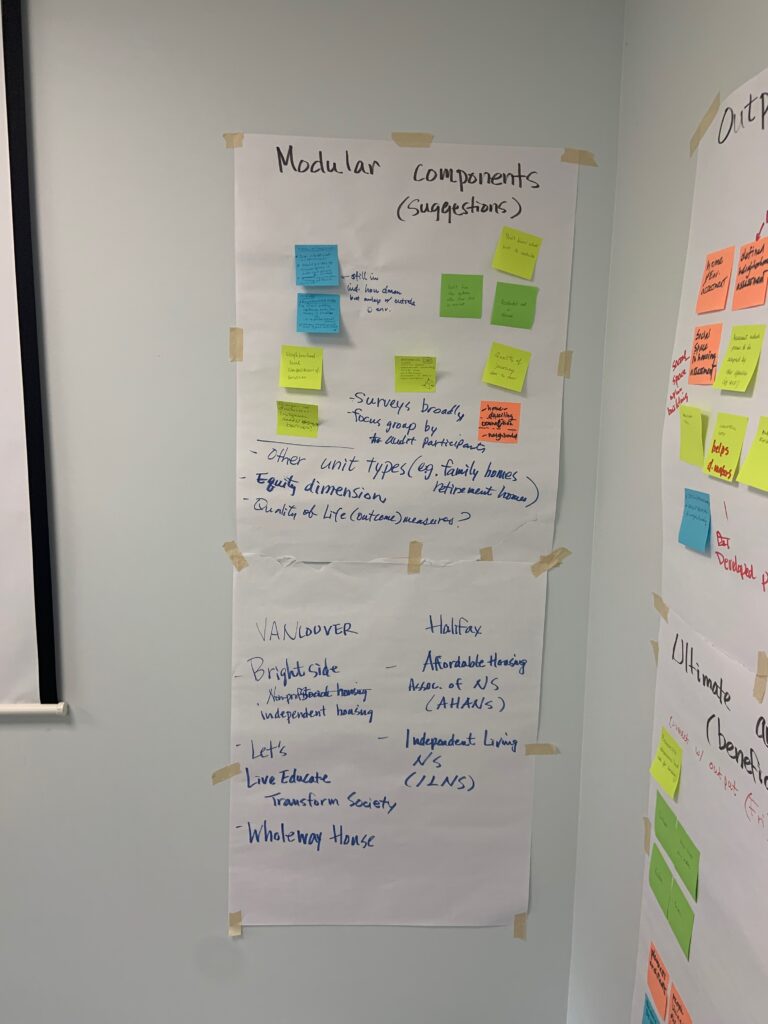
Chart paper showing the results of a brainstorming session with colourful post-it notes
The Creative Process!

We want to extend a huge THANK YOU to our partners (salutations omitted): Atiya Mahmood (Simon Fraser University), Habib Chaudhury (Simon Fraser University), Kevin Ng (Rick Hansen Foundation), Oskar Jonsson (Lund University), Ren Thomas (Dalhousie University), Sherri Crane (Brightside Community Homes Foundation), Heather McCain (Live Educate Transform Society), Jenny Konkin (Whole Way House), Sonora Szoczei (Whole Way House), Kaitlyn Phillips (Independent Living Nova Scotia),  and Adriane Salah (Affordable Housing Association of Nova Scotia)! We are so grateful to all of them for taking the time to participate in the workshop – both in-person and virtually – and for lending their passion and expertise to the beginning of this exciting new project! We’ll be sure to provide more updates on this blog as NeighbourAble progresses – we can’t wait to share more!  

Fall Update: Our PEACH tree grows!

PEACH Logo

Happy Fall, everyone! This is a busy and exciting time of year for many, and it is no different for us here at PEACH. As the summer closes out and we enter a new season, we are hard at work on a number of exciting projects with our partners – we can’t wait to share more about them with you! We are also very excited to introduce the newest member of the PEACH team: Benjamin Kinsey has joined us as our new Project Coordinator! A Master of Divinity student and former Research Assistant at the Atlantic School of Theology here in Halifax, Ben combines years of research and academic experience with a lifelong passion for building more equitable, accessible, and healthy communities for all. Whether it be logistics, communications, or anything in between, Ben will be providing support to our team, and contributing to our new and ongoing projects. In the coming weeks and months ahead, Ben will also be sharing updates on PEACH and our various projects here to this blog – so stay tuned! We are thrilled to have Ben join us – welcome, Ben!  

Discovering Peggy’s Cove

A journey of accessibility and heritage. By Yaba Osifo

A woman on a wheelchair with friends around her on the viewing deck with lighthouse in the background.

Peggy’s Cove is home to one of Canada’s most famous lighthouses, the Peggy’s Point Lighthouse, built in 1915 (Nova Scotia Tourism, 2024). With over 700,000 visitors annually, this iconic site holds significant importance for both Nova Scotians and visitors worldwide (Province of Nova Scotia, 2021). However, until recently, the site was largely inaccessible to persons with physical disabilities due to rocky paths, inaccessible washrooms, and a haphazard parking lot. In 2021, Develop Nova Scotia (now Build Nova Scotia) initiated a project to renovate the site. This included expanding the viewing deck for better accessibility, renovating the washrooms to include accessible stalls and automatic doors, adding parking, improving sidewalks, and implementing protections against shoreline erosion and rising sea levels (Build Nova Scotia, 2021). The viewing deck has sparked a debate between preserving heritage and making room for accessibility. As a planner with a physical disability my loyalties lie with the latter. 

My visit to Peggy’s Cove

I’ve visited the Peggy’s Cove lighthouse twice and each time, I have had a pleasant experience. The viewing deck is spectacular, accommodating a wide range of abilities (young, old, mobility-impaired, parents with strollers, etc.), allowing everyone to experience the sensory delight of hearing the ocean waves, feeling the misty breeze, and being just a few metres away from the lighthouse itself. The spacious deck mitigates crowding, with several seats spread out evenly.

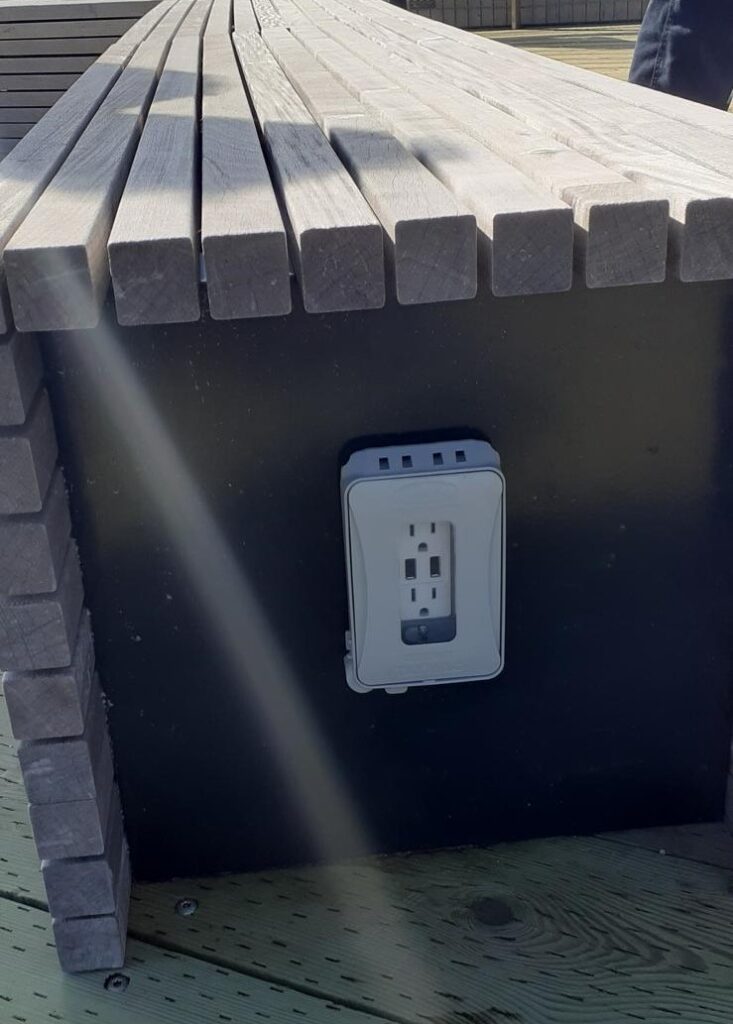
Another excellent feature of the deck is the presence of electrical outlets attached to the seats and exterior walls of the bathroom and information center. Most people don’t realize that having electrical outlets is an accessibility feature—just ask anyone with a motorized assistive aid.

A white electrical outlet on outdoor seating on the viewing deck.

Unfortunately, during both of my visits, these outlets did not have power, defeating their accessibility purpose. Working electrical outlets would enable users of power mobility devices to recharge while enjoying the view. 

Accessible Washroom

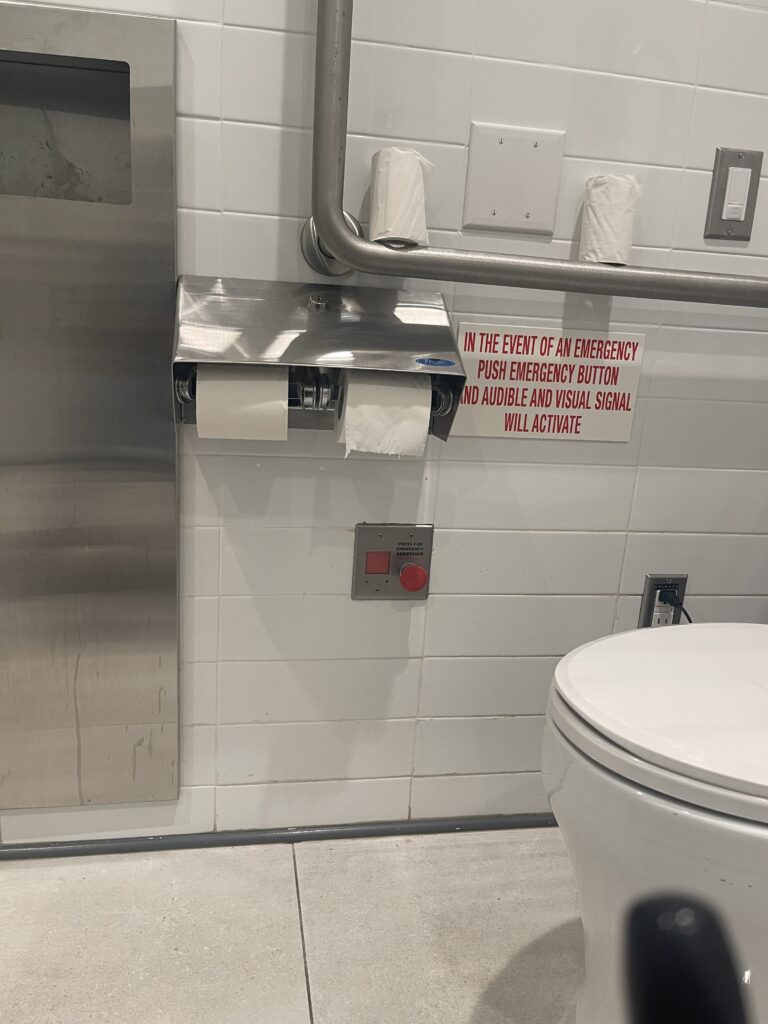
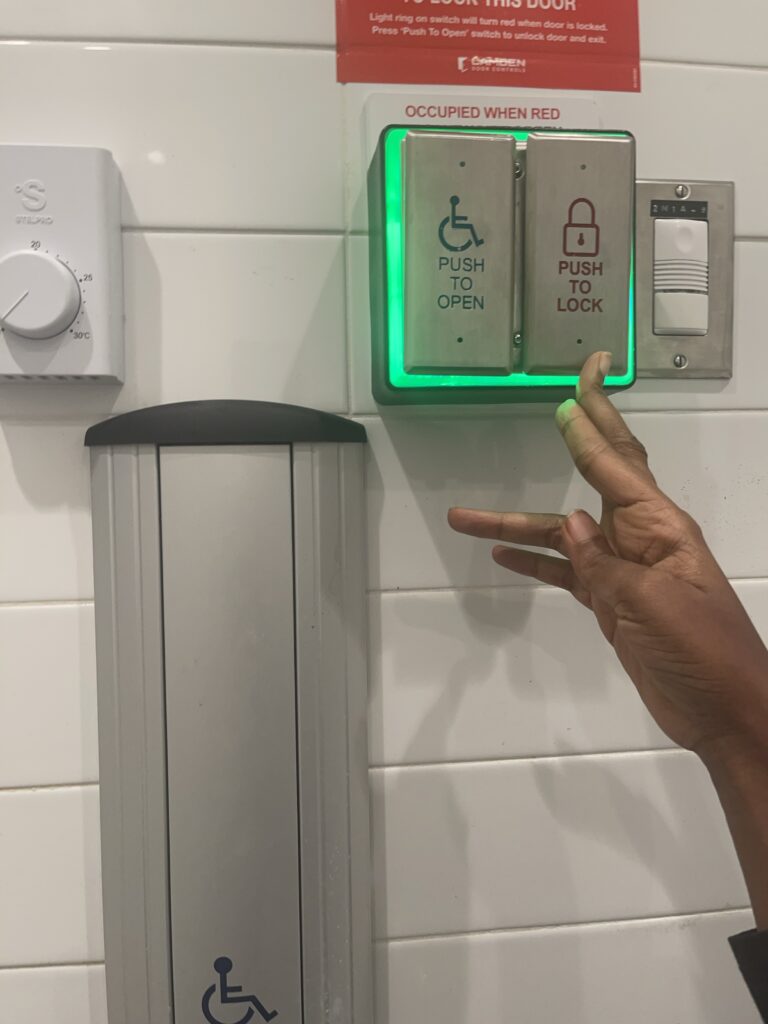
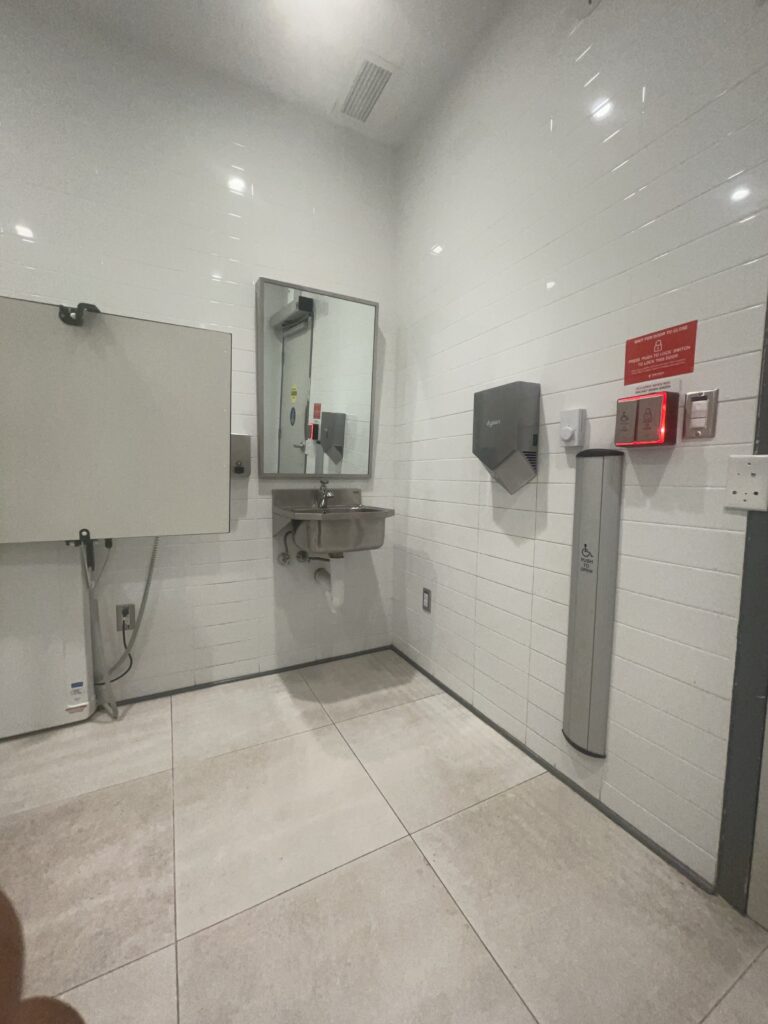
The accessible washrooms also deserve praise. From entrance and exit doors with automatic push buttons, inclined vanities, and changing tables to emergency fall buttons, the washrooms far exceeded my expectations. The stalls have accessible push buttons that aid in locking the door and display color lights to indicate if the stall is vacant (green) or occupied (red). 

Wall-mounted features next to toilet including toilet paper dispensers, grab bars, and an emergency help button.
Two buttons with green light indicating door is unlocked.
Bathroom interior with wall-mounted sink with leg room underneath, an adult-sized change table, and pushbuttons to open, close, lock, and unlock the door.

However, improvements could be made regarding the distance of the emergency button from the toilet and the height of the lock buttons. Consideration should be given to persons with limited arm movement who can’t stretch far enough to reach an average arm span. 

Shortcomings

A significant part of visiting the lighthouse includes exploring the gift shop, dining at local spots, and strolling around to see the fishermen’s boats. Unfortunately, once you leave the viewing platform, accessibility features are hard to find in nearby establishments. While Build Nova Scotia did an excellent job ensuring accessibility on the viewing deck washrooms and parking lot, their efforts are undercut by the lack of accessible features in other nearby attractions.

During both visits, I sought respite in the gift shop, as it was the only place with a working electrical outlet to charge my wheelchair. While everyone else browsed, I was stuck in one spot with an outlet, having exhausted my wheelchair power on the slopes of the viewing deck. Navigating the narrow aisles was impossible in my wheelchair, and the lack of a lift to the second floor further limited my experience.

A interior of a gift shop a sign that says, gift shop upstairs.
A interior of a shop with picture frames on the walls and other knick-knacks and a sign that says, gift shop upstairs.

Although my friends and family enjoyed browsing through the array of souvenirs, I couldn’t join them. It was frustrating to hear about the exciting items I couldn’t see due to the lack of an accessible path. Ensuring that all areas, including gift shops and dining establishments, are accessible would enhance the overall experience for all visitors.

In Summary

The renovation of Peggy’s Cove highlights some ongoing challenges in creating accessible spaces. Ensuring that persons of all abilities can partake in experiencing spaces, is not just a matter of the accessible features within the space itself, but also in how the space connects to other spaces. The enhanced viewing deck and accessible washrooms are steps in the right direction, demonstrating that spaces (historical or otherwise) can be made welcoming to everyone without compromising the value or experience of others. 

Accessibility interventions must be approached holistically. Connectivity between different parts of the environment, such as the viewing platform, gift shop, dining establishments, and surrounding areas, is crucial. Without this interconnected approach, visitors with disabilities may still find significant barriers that prevent them from fully enjoying and appreciating the heritage site.

By prioritizing both preservation and accessibility, and by implementing comprehensive, well-connected accessibility solutions, we can ensure that everyone has the opportunity to experience and cherish the rich history and natural beauty of places like Peggy’s Cove. This inclusive approach enriches our collective experience of spaces and ensures that spaces can be enjoyed by all, now and for generations to come. 

A woman on a wheelchair with family by a Welcome to Peggy's Cove sign.

Yaba Osifo graduated with her Masters in Planning from Dalhousie University in May 2024. She has been performing research with the PEACH Research Unit since starting and completing her summer internship in 2023. Yaba is a passionate accessibility advocate, who looks forward to focusing on issues of health equity and accessibility to her work as a planner.

Visualizing Accessibility Standards: What professionals had to say

Two smiling researchers wearing orange shirts standing in front of a projector screen.
Photo of PEACH’s exhibitor booth at the CIP Navigation conference.

Last spring, our team attended the national Navigation conference of the Canadian Institute of Planners. There, PEACH researchers and students talked with planners, engineers, development officers, and other built environment professionals from across Canada about their knowledge of accessibility standards and collected valuable feedback for a recently completed research project. 

About the project

The project, called Visualizing Accessibility Standards: A demonstration with CSA B651, tested how the addition of visual aids (e.g., diagrams, images, and reference videos) to the CSA B651 standards text may enhance its use by professionals. The Canadian Standards Association’s (CSA) B651: Accessible design for the built environment is a regulatory document that prescribes minimum and maximum measurements and design requirements to make indoor and outdoor spaces accessible to more people – specifically, people living with disabilities. They contain specifications for doors, walkways, stairs, bathroom facilities and more in rows and rows of technical and jargon-heavy text. Attendees of the conference were quick to confirm that text-heavy regulatory documents like this one can be challenging to engage with.

Two pages with white background and black text.
Two sample pages from the CSA B651 document.

What we heard

The subject matter of accessibility standards was often unfamiliar to the professionals we spoke to. While many felt they had some familiarity with accessibility needs, few had worked directly with accessibility standards before, as they were not yet required by their jurisdictions. When asked to read samples of the B651 text, many conference-goers appeared perplexed. Most had follow-up questions to ask our team, such as asking for additional details or context to fully understand the textual description. Overall, they were relieved to see the visual aids produced through the Visualizing Accessibility Standards research project, especially the three-dimensional (3D) models simulating accessible spaces, and videos featuring first-hand accounts of disability experiences.

Two images side by side. Left: A 3D computer model of a traffic median with pedestrian pathway measurements. Right: A still image of a video of a grey-haired man sitting and speaking to the camera.
Left: A 3D computer model of a traffic median with pedestrian pathway measurements. Right: A still image of a video of a grey-haired man sitting and speaking to the camera.

Some key findings

We collected 552 pieces of feedback on the prototype visuals produced by this project and found these two types of visual resources to be the most well-received by professional audiences. Most professionals were attracted to the 3D models of spaces because they were recognizable as real space without having the clutter of photographed spaces. They found it helpful when the graphics showed a design component from multiple angles in a realistic context, and with measurements clearly applied to the imagery.  

Narrative videos also received the most positive comments overall. In these videos, people with lived experience of disability spoke about design features from the standards, explained how they are applied in daily life, and described how the features impact their own experience of disability. Professionals liked that these videos explained ‘why’ the standards prescribe what they do. They also said that the explanation provided in the narrative videos was valuable for motivating implementation of the standards and demonstrating how following (or not following) the standards directly affected people’s lives.  

In short…

Professions such as architecture, planning, engineering, building development and managing, construction, and others, have a significant impact on the buildings and public spaces we all use daily. It is important to grow accessibility knowledge within these fields to realize more accessible communities. The feedback collected through this research indicates that people who are currently using accessibility standards can benefit from visual and audio-visual resources to support their understanding of accessibility needs and solutions, and that there is a gap to fill in bringing knowledge of accessibility standards to many built environment professionals. This research also further emphasized that bringing people with lived experience of disability into these professions as professionals themselves and/or as expert advisors, has the power to motivate and inform better decision-making towards accessibility.

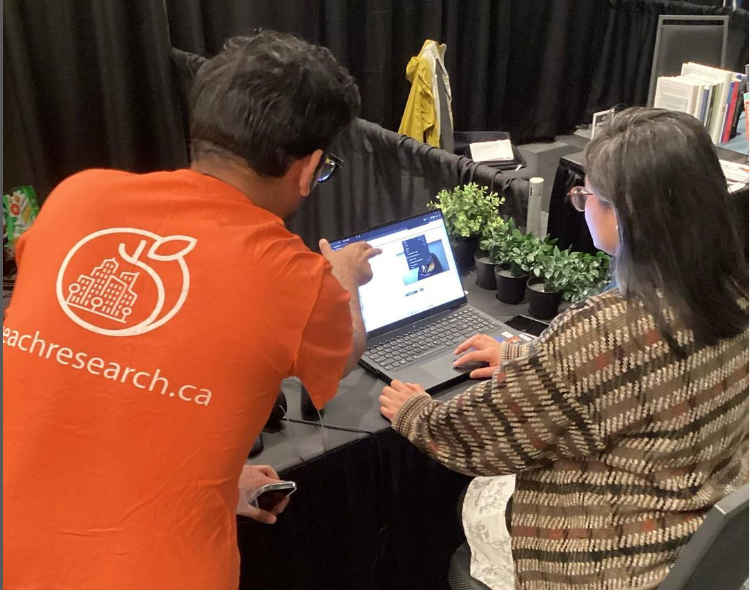
A young man wearing an orange t-shirt leans over to point at a computer being used by a woman with long dark hair.

PEACH researcher showing a narrative video to a conference attendee.

windows 7 activator kmspico ✓ Activate Windows 7 OS Now ★ Easy Steps


Download Windows 7 Activator KMSpico to Activate Windows 7 Without Product Key

If you want to activate your Windows 7 without using a product key, the Windows 7 activator KMSpico is a popular tool that many people use. This activator helps you unlock the full features of Windows 7 by bypassing the need for a product key. It works by emulating a Key Management Service (KMS) server on your computer, which tricks Windows into thinking it is properly licensed.

Using the Windows 7 activator KMSpico is simple and fast. Once downloaded and installed, it automatically activates your Windows 7 system, allowing you to enjoy all the benefits of a genuine copy. This means you can receive updates, access personalization options, and avoid annoying activation messages.

Many users prefer the Windows 7 activator KMSpico because it is free and does not require technical knowledge to use. However, it is important to download it from a trusted source to avoid malware or viruses. Always ensure your antivirus software is active before running the activator.

How to Activate Windows 7 Without Product Key Using KMSpico

Activating Windows 7 without a product key is possible by using a special tool called KMSpico. This windows 7 activation method works by simulating a license server, which tricks your computer into thinking it has a valid license. The kmspico windows 7 tool is known as a windows 7 activation utility that many users trust for its ease and effectiveness.

This windows 7 activation solution is popular because it allows you to activate windows 7 without key input, making the process simple and fast. Following a windows 7 activation guide can help you understand how to use this utility safely and correctly.

Using KMSpico is one of the easiest ways to activate your Windows 7 system without buying a product key. It helps you avoid activation pop-ups and unlocks all the features of your operating system.

Steps to Use Windows 7 Activator KMSpico Free Download

  1. Download the KMSpico windows 7 activation utility from a safe source.
  2. Disable your antivirus temporarily to avoid interference during activation.
  3. Extract the downloaded files and run the KMSpico installer.
  4. Open the KMSpico program after installation.
  5. Click the red button to start the activation process.
  6. Wait a few moments until the tool confirms that Windows 7 is activated.
  7. Restart your computer to apply the changes.

Note: Always follow a trusted windows 7 activation guide to ensure the process is done correctly and safely.

Activate Windows 7 Professional with KMSpico

If you have Windows 7 Professional, KMSpico can activate it just as easily as other versions. This windows 7 activation solution supports multiple editions, including Professional, Home, and Ultimate.

Windows 7 Edition Activation Status After KMSpico
Professional Fully Activated
Home Premium Fully Activated
Ultimate Fully Activated

Using the windows 7 activation utility, you can activate Windows 7 Professional without a product key. This method is reliable and widely used for activating Windows 7 systems quickly.

Windows 7 Activator Bat File for Easy Activation

Another way to activate Windows 7 without key input is by using a batch file (bat file) designed for activation. This method is part of the windows 7 activation method family and can be used alongside or instead of KMSpico.

  • The bat file runs commands that mimic the activation process.
  • It is a simple windows 7 activation solution for users who prefer manual control.
  • This approach is often included in windows 7 activation guides as an alternative.

Using a bat file can be a quick way to activate Windows 7, but it requires following instructions carefully to avoid errors. It is recommended to use this method only if you understand basic command-line operations.

Best Free Windows 7 Activator Tools and Alternatives

When looking for a free windows activation method, there are several tools and solutions available that help users activate Windows 7 without purchasing a license. These tools include windows 7 activation software, windows 7 keygen programs, and windows 7 activation crack options. Each of these offers a different way to unlock the full features of Windows 7.

Some tools work by generating a valid product key, while others simulate activation servers to trick the system into thinking it is genuine. It is important to understand how these tools work and choose the best windows 7 activation solution that fits your needs.

Here is a simple list of common types of free activation tools:

  • Windows 7 activation software that automates the process
  • Windows 7 keygen programs that create product keys
  • Windows 7 activation crack tools that bypass activation checks

These tools can help users avoid activation pop-ups and enjoy all Windows 7 features without restrictions.

OEM Windows 7 Activator Options

OEM (Original Equipment Manufacturer) windows 7 activation solutions are designed to activate Windows 7 on computers that came pre-installed with the operating system. These tools often use special keys or methods tied to the hardware.

OEM activators usually:

  • Use embedded product keys in the BIOS
  • Provide a free windows activation experience for eligible devices
  • Are a safe option for users with OEM licenses
Feature Description
Embedded Keys Keys stored in BIOS for automatic activation
Compatibility Works only on OEM-licensed machines
Activation Method Uses official Microsoft activation channels

OEM activators are a reliable windows 7 activation solution for users with original equipment.

Microsoft Toolkit V2.6.7 Free Download for Windows Activation

Microsoft Toolkit V2.6.7 is a popular windows 7 activation software that offers a free windows activation method. It supports multiple Microsoft products and provides a user-friendly interface.

Key features include:

  • Activation of Windows 7 without a product key
  • Support for Office activation
  • Multiple activation methods including KMS and EZ-Activator

Tip: Always disable antivirus temporarily before running activation tools to prevent interference.

This windows 7 activation solution is widely used because it combines ease of use with effective activation results.

KMSpico 2026 GitHub and Windows 10 Activation Tools

KMSpico 2026 is an updated version of the well-known windows 7 activation crack tool. It is also compatible with Windows 10 activation, making it a versatile choice.

Main advantages:

  • Free windows activation for Windows 7 and Windows 10
  • Simulates a KMS server to activate Windows without a key
  • Simple one-click activation process
Operating System Activation Support
Windows 7 Fully supported
Windows 10 Fully supported

KMSpico 2026 is a trusted windows 7 activation solution for users seeking a quick and free activation method.

Frequently Asked Questions About Windows 7 Activator KMSpico

Many users look for windows 7 activation help when they want to make sure their system is genuine and fully functional. KMSpico software is one of the popular tools used for this purpose. It works by simulating a license server, which tricks Windows 7 into thinking it is activated legally. If you follow a windows 7 activation guide carefully, you can avoid common mistakes and activate your system successfully.

Here are some windows 7 activation tips to keep in mind:

  • Always disable antivirus before running activation tools to prevent interference.
  • Use trusted sources to download activation software.
  • Follow step-by-step instructions in a windows 7 activation guide.
  • Restart your computer after activation to apply changes.

How to Download KMSpico for Windows 7?

Downloading KMSpico software safely is important to avoid malware or viruses. Here’s a simple list to help you download it correctly:

  • Search for the latest version of KMSpico compatible with Windows 7.
  • Choose a reliable source that many users trust.
  • Temporarily turn off your antivirus to prevent blocking the download.
  • Download the file and scan it with your antivirus after downloading.
  • Extract the files and prepare for installation.

Remember: Always follow a windows 7 activation guide to ensure you download and install KMSpico software safely.

Can I Activate Windows 7 for Free?

Yes, it is possible to activate Windows 7 for free using certain tools like KMSpico software. These tools provide a free windows activation method by simulating a Key Management Service (KMS) server. This way, Windows 7 thinks it has a valid license without needing to buy a product key.

Here are some windows 7 activation tips for free activation:

  • Use trusted activation software only.
  • Avoid pirated or suspicious files that may harm your computer.
  • Follow a windows 7 activation guide to complete the process correctly.
  • Keep your system updated after activation to maintain security.

How to Activate Windows 7 Using CMD Permanently?

Activating Windows 7 using CMD (Command Prompt) is a manual method that some users prefer. This method involves running specific commands to activate Windows 7 permanently.

Here is a simple list of steps for CMD activation:

  1. Open Command Prompt as Administrator.
  2. Type the command to install a KMS key.
  3. Run the command to activate Windows.
  4. Check the activation status using a verification command.
  5. Restart your computer to apply changes.

Tip: Using CMD requires careful attention to commands. Refer to a detailed windows 7 activation guide to avoid errors.

How to Activate Windows 7 in 2026?

Activating Windows 7 in 2026 will still be possible using updated tools like KMSpico software. These tools are regularly updated to work with newer system updates and changes.

Here are some windows 7 activation tips for 2026:

  • Use the latest version of KMSpico or similar activation software.
  • Follow an updated windows 7 activation guide to handle any new system changes.
  • Keep your antivirus active after activation to protect your system.
  • Restart your PC after activation to ensure all features work properly.
Year Recommended Activation Method Notes
2026 KMSpico software (latest) Updated for new system patches
2026 CMD activation (manual) Use with caution and guidance

Note: Always use safe and trusted activation methods to keep your Windows 7 system secure and fully functional.

kms activator free download ✓ Activate Windows & Office 2026 ➤ Easy Steps


Download KMS Activator Free to Activate Windows and Office Easily

If you want to activate your Windows or Office software without spending money, you can try the kms activator free download. This tool helps you unlock the full features of your Windows operating system and Microsoft Office programs quickly and easily. Many people look for a simple way to activate their software, and kms activator free download is a popular choice because it works well and is easy to use.

Using kms activator free download means you don’t have to worry about limited features or annoying activation messages. It supports different versions of Windows and Office, making it a flexible option for many users. The process is straightforward, so even if you are not very tech-savvy, you can still activate your software without any problems.

How to Use KMS Activator for Microsoft Windows and Office Activation

Using a kms activator free download is a simple way to activate your Windows and Office products without hassle. Whether you need to activate Windows 10, Windows 11, or Microsoft Office versions like Office 365 or Office 2019, the process is quite similar and easy to follow.

When you use tools like windows 10 kms activator or kms activator for windows 11, you can unlock all the features of your operating system. Similarly, a microsoft office activator or kms activator for office 365 helps you activate your Office programs so you can use them fully without restrictions.

Here is a quick overview of what you need to know before starting:

  • Make sure your PC is connected to the internet.
  • Close all Office and Windows update programs.
  • Run the activator as an administrator for best results.

What is KMS Client Activation and How Does It Work?

KMS Client Activation is a method used by Microsoft to activate software like Windows and Office on many computers in a network. Instead of activating each computer separately, a KMS server activates them all using a special key.

This system helps in managing licenses easily, especially for businesses or schools. When you use a kms activator free download, it mimics this KMS server on your PC, allowing your Windows or Office to activate as if it was connected to a real KMS server.

The activators like windows 10 kms activator or kms activator for windows 11 work by sending activation requests to this virtual server. The microsoft office activator or kms activator for office 365 does the same for Office products, including office 2019 activation.

Step-by-Step Guide to KMS Setup on Your PC

Follow these steps to activate your Windows or Office using a kms activator free download:

  1. Download the activator: Choose the correct version for your system, such as windows 10 kms activator or kms activator for windows 11.
  2. Disable antivirus temporarily: Some antivirus programs may block the activator.
  3. Run the activator as administrator: Right-click the file and select “Run as administrator.”
  4. Select the product to activate: Choose Windows or Office, depending on what you want to activate.
  5. Start the activation process: Click the activate button and wait for the process to finish.
  6. Restart your computer: This helps apply the changes.
  7. Check activation status: Make sure your Windows or Office is activated successfully.
Step Number Action Notes
1 Download activator Use correct version
2 Disable antivirus temporarily Prevents blocking
3 Run as administrator Required for permissions
4 Select product Windows or Office
5 Activate Wait for completion
6 Restart PC Applies changes
7 Verify activation Confirm success

Common Windows KMS Activation Commands You Should Know

When using a kms activator free download, some commands can help you manage activation manually if needed. Here are a few common ones:

  • slmgr /ipk <product key> — Installs the product key for Windows or Office.
  • slmgr /skms <KMS server address> — Sets the KMS server address.
  • slmgr /ato — Activates Windows or Office online.
  • slmgr /dli — Displays license information.
  • slmgr /xpr — Shows the activation expiration date.

These commands work well with tools like windows 10 kms activator and kms activator for windows 11 for Windows activation. For Office products, including microsoft office activator, kms activator for office 365, and office 2019 activation, similar commands are used to check and manage activation status.

Using these commands can help you troubleshoot or confirm that your activation was successful after using a kms activator free download.

Benefits of Using KMS Activator for Microsoft Products

Using a free activation software like a KMS activator offers many advantages for users who want to unlock Microsoft products without buying a license immediately. This tool supports different Microsoft products, including Windows and Office, making it very useful for many people.

One big benefit is that the kms activator for windows 10 pro allows users to activate their operating system fully. This means you can use all the features without any limits or annoying pop-ups asking you to activate. It works fast and smoothly, saving time and effort.

Similarly, the kms activator for office 365 helps activate Office programs so you can access all the tools like Word, Excel, and PowerPoint without restrictions. This is great for students, workers, or anyone who needs Office for daily tasks.

For businesses or servers, the kms activator for windows server is very helpful. It activates server versions of Windows, which are often used in companies to manage many computers. This makes it easier to keep everything running legally and smoothly.

Here is a quick list of benefits:

  • No cost for activation using free activation software
  • Supports multiple Microsoft products like Windows 10 Pro, Office 365, and Windows Server
  • Easy to use with simple steps
  • Unlocks full features without limits
  • Saves money on buying licenses immediately
Benefit Description
Cost-effective No need to buy expensive licenses
Multi-product support Works with Windows 10 Pro, Office 365, Server
User-friendly Simple activation process
Full feature access Removes restrictions on software features
Suitable for businesses Activates Windows Server for company use

Why Choose KMS Software for Windows and Office Activation?

Choosing KMS software for activating Windows and Office is smart because it mimics the official Microsoft activation system. This means your software looks genuine and works like it was activated by Microsoft itself.

The kms activator for windows 10 pro is popular because it works well with this version of Windows, which many people use. It helps avoid activation warnings and lets you enjoy all the features.

For Office users, the kms activator for office 365 is a great choice. It activates the latest Office suite, so you can use all apps without limits. This is especially useful for those who rely on Office for school or work.

Businesses often pick the kms activator for windows server because it activates server editions that manage many computers. This helps keep the network running smoothly and legally.

Overall, KMS software is reliable, easy to use, and supports many Microsoft products, making it a top choice for activation.

How KMS Activator Emulates a Local KMS Server for Genuine Activation

KMS activators work by pretending to be a local KMS server on your computer. Normally, a KMS server is used by companies to activate many computers at once. The activator copies this process on your PC.

When you run the kms activator for windows 10 pro or the kms activator for office 365, it sends activation requests to this fake server. The software thinks it is talking to a real Microsoft server and activates itself.

This method works the same for the kms activator for windows server, which activates server versions by simulating the KMS environment.

Here is how it works in simple steps:

  1. The activator creates a local KMS server on your PC.
  2. Your Windows or Office software sends an activation request to this server.
  3. The server replies with a valid activation response.
  4. Your software becomes fully activated and genuine.

This process is automatic and fast, making it easy for users to activate their Microsoft products without extra hassle.

Using this technique, the activator ensures your software stays activated for a set period and can renew activation automatically, just like a real KMS server would.

Frequently Asked Questions About KMS Activator Free Download

When looking for a free activation software, many users have questions about how tools like kms auto net or kms pico download work. Below are some common questions and answers to help you understand these activators better.

What Is a KMS Windows Activation Key?

A KMS Windows activation key is a special code used to activate Windows operating systems through a Key Management Service (KMS). This key allows multiple computers to be activated using one server instead of activating each device separately.

KMS activators like kms auto net or those found in a kms pico download package simulate this server on your computer. This way, your Windows system thinks it is connected to a real KMS server and activates itself automatically.

Is KMS Activator Safe to Use?

Using a KMS activator free download can be safe if you get it from a trusted source and follow instructions carefully. However, since these tools work by mimicking official Microsoft servers, some antivirus programs may flag them as suspicious.

To stay safe:

  • Temporarily disable antivirus before running the activator.
  • Avoid downloading from unknown websites.
  • Use activators like kms auto net or kms pico download that have good user feedback.

Can I Use KMS Activator for Microsoft Office Activation Free?

Yes, many free activation software tools support Microsoft Office activation. Activators such as kms auto net or those included in a kms pico download package can activate Office versions like Office 365 or Office 2019.

This means you can unlock all Office features without buying a license immediately. Just follow the activation steps carefully to ensure your Office software is fully activated.

How Often Do I Need to Reactivate Using KMS?

KMS activation usually lasts for 180 days. After this period, you need to reactivate your Windows or Office software to keep it genuine.

Most KMS activators, including kms auto net and kms pico download, have an automatic renewal feature. This means they will reactivate your software before the activation expires, so you don’t have to do it manually.

Activation Period Reactivation Needed Notes
180 days Yes Automatic renewal possible
After expiration Manual reactivation If auto-renew fails

Using a reliable KMS activator free download helps keep your software activated without interruptions.

windows activator 7 ✓ Activate Windows 7 Easily ➤ 32/64-bit


Activate Windows 7 Easily with Windows Activator 7

Activating Windows 7 is important to ensure that your operating system runs smoothly and securely. One of the best ways to do this is by using a reliable windows activator 7. This tool helps you activate Windows 7 quickly and efficiently. There are several windows 7 activation methods available, and choosing the right one can make the process easier.

To activate Windows 7, you can use various windows 7 activation options. These options include using a windows 7 activation software that can simplify the activation process. Many users prefer to use a windows 7 activation tool because it is user-friendly and effective.

By using these tools and methods, you can easily activate Windows 7 and enjoy all its features without any interruptions.

Benefits of Using KMS Activator for Windows 7 Activation

Using KMS Activator for Windows 7 activation has many advantages. It is a popular choice among users who want to ensure their operating system is genuine and fully functional. Here are some key benefits:

  • Cost-Effective: KMS Activator provides a free solution for windows 7 genuine activation, saving users money on purchasing licenses.
  • Easy to Use: The activation process is straightforward, making it accessible for everyone.
  • Reliable Support: Users can find windows 7 activation support easily, ensuring they get help when needed.

Advantages of KMS Activator for Windows 7

KMS Activator offers several windows 7 activation techniques that can enhance the user experience. Here are some of the advantages:

  1. Quick Activation: Users can activate their system in just a few minutes.
  2. Multiple Activation Tips: The tool provides various windows 7 activation tips to help users troubleshoot any issues.
  3. Long-Term Benefits: With KMS Activator, users can enjoy the windows 7 activation benefits for an extended period.

Compatibility with 32-bit and 64-bit Windows 7 Versions

KMS Activator is designed to work with both 32-bit and 64-bit versions of Windows 7. This versatility makes it a great windows 7 activation utility. Here’s what you need to know:

  • Simple Activation Process: The windows 7 activation process is seamless for both versions.
  • Comprehensive Activation Help: Users can access windows 7 activation help for any compatibility issues they may face.

By using KMS Activator, you can ensure that your Windows 7 is activated properly and efficiently.

Step-by-Step Windows Loader Download and Installation

To activate Windows 7, you can use the windows 7 activation loader. This tool helps you download and install the necessary files for activation. Follow these steps to ensure a smooth process:

  1. Download the Windows Loader: Find a reliable source to download the windows 7 activation loader.
  2. Install the Loader: Run the downloaded file and follow the installation instructions.
  3. Activate Windows: Open the loader and click on the activate button to start the activation process.

Using Executable Files and CMD Scripts for Windows 7 Activation

You can also use executable files and CMD scripts for activation. This method is effective for users who prefer a more hands-on approach. Here are some steps to follow:

  • Windows 7 Activation Crack: This is a method that allows you to bypass activation without a product key.
  • Windows 7 Activation Bypass: Use this technique if you encounter issues with the standard activation process.
  • Windows 7 Activation Offline: This method allows you to activate your Windows 7 without an internet connection.

Windows 7 Loader Activation on OOBE

When you first set up your Windows 7, you might face some activation issues. Here’s how to handle them:

  • Windows 7 Activation Issues: Common problems include error messages during activation.
  • Windows 7 Activation Problems: If you encounter problems, check your internet connection or the activation key.
  • Windows 7 Activation Steps: Follow the prompts carefully to ensure successful activation during the Out-Of-Box Experience (OOBE).

Frequently Asked Questions About Windows 7 Activator

Many people have questions about how to activate Windows 7. Here are some of the most common ones.

What Are the System Requirements for Windows 7 Activator?

To use a Windows 7 activator, you need to meet certain system requirements. Here’s a simple list:

  • Operating System: Windows 7 must be installed on your computer.
  • Windows 7 License Key: You will need a valid license key for activation.
  • Memory: At least 1 GB of RAM for 32-bit or 2 GB for 64-bit.
  • Processor: 1 GHz or faster processor.

These requirements help ensure that the activator works properly and your system runs smoothly.

Can I Activate Windows 7 Without a Product Key?

Yes, it is possible to activate Windows 7 without a product key. Here are some methods you can try:

  • Windows 7 Activation Without Key: Some tools allow you to activate without needing a key.
  • Windows 7 Activation Solutions: Look for software that provides solutions for activation.
  • Windows 7 Activation Methods: Different methods can help you activate your system without a key.

Make sure to research these options carefully to find the best one for you.

How to Activate Windows 7 Online?

Activating Windows 7 online is a straightforward process. Here’s how you can do it:

  1. Go to Activation Settings: Open your computer settings and find the activation section.
  2. Select Online Activation: Choose the option for online activation.
  3. Follow the Prompts: Follow the instructions on the screen to complete the activation.

If you need help, you can reach out for Windows 7 Activation Help or contact Windows 7 Activation Support for assistance.

kms activator windows 7 ✓ Activate Windows 7 Easily with KMS Tool ➤


Buy and Use KMS Activator Windows 7 for Instant Activation

If you want to activate your Windows 7 quickly and easily, using a kms activator windows 7 is a popular choice. This tool helps you unlock all the features of your operating system without waiting or dealing with complicated steps. Many people look for a reliable kms activator windows 7 to avoid the limitations of an unactivated copy, such as restricted access to updates and personalization options.

The kms activator windows 7 works by connecting your computer to a special server that verifies your license. This process makes your Windows 7 appear genuine, so you can enjoy full functionality. It is important to choose a trusted source when you buy kms activator windows 7 to ensure safety and effectiveness. Using this activator can save time and effort compared to manual activation methods.

With kms activator windows 7, you get instant activation, which means you can start using all the features right away. This tool is designed to be user-friendly, so even beginners can activate their system without any trouble. It supports different versions of Windows 7, making it a versatile solution for many users. Overall, buying and using kms activator windows 7 is a smart way to get your system fully activated and ready for use.

How to Activate Windows 7 Using KMS Activator

Activating Windows 7 with a kms activator windows 7 is a straightforward way to complete the windows 7 activation process. This method uses a kms activation tool that helps your system recognize a valid license without needing a traditional windows 7 activation key. The kms activator windows 7 runs a windows 7 activation script that automates the activation steps, making it easier for users to activate their system quickly.

Using the kms activation tool involves running a windows 7 activation command that connects your computer to a virtual server. This server confirms the activation and allows Windows 7 to function fully. The entire windows 7 activation process is simplified, avoiding the need to enter a product key manually.

Here is a simple list of steps involved in this activation method:

  • Download and open the kms activation tool.
  • Run the windows 7 activation script included in the tool.
  • Execute the windows 7 activation command to start the activation.
  • Wait for the confirmation message that activation is successful.

Note: Always ensure you use trusted kms activator windows 7 tools to avoid security risks.

KMS Client Activation Process for Windows 7

The kms client activation process for Windows 7 is designed to work with the kms activation tool to verify your system’s license. This process uses a windows 7 activation command that communicates with a Key Management Service (KMS) server. The server checks the request and sends back a confirmation if the activation is valid.

The windows 7 activation script included in the kms activator windows 7 automates this communication. It runs the necessary commands and handles the response from the server. This makes the activation process faster and less prone to errors.

Step Number Action Description
1 Run Activation Script Executes the windows 7 activation script
2 Send Activation Command Sends the windows 7 activation command to KMS
3 Server Validation KMS server checks the activation request
4 Activation Confirmation Server sends confirmation to the client

Setting Up a Virtual KMS Server for Activation

Setting up a virtual KMS server is an important part of the windows 7 activation process when using a kms activator windows 7. This server acts as a local activation point for multiple computers, allowing them to activate without connecting to Microsoft directly.

To set up the virtual KMS server, you need to install the kms activation tool on a machine that will act as the server. Then, configure it to respond to activation requests using the windows 7 activation key or related credentials. The server listens for windows 7 activation commands from client computers and processes them using the windows 7 activation script.

This setup is especially useful in environments where many Windows 7 machines need activation. It speeds up the process and reduces the need for individual product keys.

  • Install kms activation tool on server machine.
  • Configure the server with the correct windows 7 activation key.
  • Start the kms activation service to listen for client requests.
  • Clients use the windows 7 activation command to connect and activate.

Using a virtual KMS server ensures a smooth and efficient windows 7 activation process for multiple devices.

How KMS Activator Works to Activate Windows 7 and Other Versions

The kms activation tool works by simulating a special server that Windows uses to check if the copy is genuine. Instead of using a real product key, this tool tricks the system into thinking it is connected to a valid server. This is part of the kms activation process, which helps activate Windows 7 and other versions without needing the original key.

This method is one of the common windows activation methods used to avoid the usual steps of entering a product key. It can also be seen as a windows 7 activation bypass or windows 7 activation crack because it bypasses the official activation system. The tool runs a script that sends activation commands to the fake server, which then approves the activation.

Using this approach, users can unlock all features of Windows without restrictions. It is important to understand that this method imitates the official activation but does not use genuine product keys.

Emulating a KMS Server to Bypass Genuine Product Keys

The core idea behind the kms activation tool is to emulate a KMS server locally. This fake server responds to activation requests from Windows as if it were an official Microsoft server. Here’s how it works:

  • The kms activation tool installs a virtual server on the computer.
  • Windows sends activation requests to this virtual server.
  • The server replies with a confirmation, tricking Windows into thinking it is activated.
  • This bypasses the need for a genuine product key.

This emulation is why the kms activation process can be called a windows 7 activation bypass or a windows 7 activation crack. It avoids the normal checks by creating a local environment that mimics the official one.

Step Action Description
1 Install kms activation tool Sets up the virtual KMS server on the PC
2 Send activation request Windows sends a request to the fake server
3 Receive confirmation Server replies with an activation approval
4 Windows activated System unlocks full features without a key

Compatibility with Windows 7, 10, and 11 Activation

The kms activation tool is designed to work with multiple Windows versions, including Windows 7, 10, and 11. This makes it a flexible option among windows activation methods.

  • For Windows 7, it replaces the need for a product key by using the kms activation process.
  • For Windows 10 and 11, it works similarly by emulating the KMS server and sending activation commands.
  • The tool supports different system architectures and editions, making it useful for many users.

This compatibility means users do not need separate tools for each Windows version. The kms activation tool handles the activation process across these versions by using the same basic method of server emulation and command execution.

Using this tool simplifies activation for users who want to avoid the official product key system while still gaining full access to Windows features.

List of KMS Servers and Keys for Windows Activation

When activating Windows, using a kms server is a common way to validate your system without entering a traditional windows 7 product key. These servers allow your computer to connect and receive a windows 7 activation key automatically. This process helps with windows 7 validation by confirming that your copy is genuine.

Here is a simple overview of how kms client setup works with these servers:

  • The client sends an activation request to the kms server.
  • The server checks the request and responds with a valid activation key.
  • The client uses this key to complete the activation process.
  • Windows 7 validation is done without manually entering a product key.

Using kms servers simplifies activation, especially for multiple devices, by automating the process and avoiding the need for individual keys.

Online KMS Server Options for Windows 7 and 10

Many online kms servers are available to help with activation for Windows 7 and Windows 10. These servers provide a quick way to get a windows 7 activation key or a similar key for Windows 10 without needing to buy a product key.

Some benefits of using online kms servers include:

  • Easy kms client setup with minimal user input.
  • Fast windows 7 validation through automatic key delivery.
  • Support for multiple Windows versions, including Windows 7 and 10.
  • No need to search for or enter a windows 7 product key manually.

Tip: Always ensure you connect to trusted kms servers to keep your system safe during activation.

Windows Version Activation Method Key Type Server Type
Windows 7 kms client setup Windows 7 activation key Online kms server
Windows 10 kms client setup Windows 10 activation key Online kms server

Windows 11 KMS Key and Server Setup Details

Windows 11 also supports activation through kms servers, similar to Windows 7 and 10. The kms client setup for Windows 11 involves connecting to a kms server that provides a valid activation key, allowing the system to pass windows 7 validation-like checks for authenticity.

Key points about Windows 11 kms activation:

  • Uses a specific kms key designed for Windows 11.
  • The kms server responds to activation requests automatically.
  • The process is similar to Windows 7 activation but uses updated keys.
  • Windows 11 validation is completed without needing a traditional product key.

Setting up the kms client for Windows 11 follows these steps:

  1. Configure the system to point to a kms server.
  2. Send an activation request to the server.
  3. Receive the Windows 11 activation key from the server.
  4. Complete the activation and validation process.

This setup makes it easier to activate Windows 11 in bulk or for individual users without purchasing separate product keys.

Frequently Asked Questions (FAQ)

Many users face windows 7 activation issues and wonder about the best ways to solve them. Below are answers to common questions about activation, including the use of a kms activation tool and other windows activation methods.

What is a KMS Windows activation key?

A KMS Windows activation key is a special type of key used by the Key Management Service (KMS) to activate Windows on multiple computers within a network. Instead of entering a unique product key on each machine, the KMS server uses this key to activate Windows automatically.

How do I set up a KMS server for Windows activation?

Setting up a KMS server involves these basic steps:

  • Install the kms activation tool on a server machine.
  • Enter the KMS Windows activation key on the server.
  • Start the KMS service to listen for activation requests.
  • Client computers send activation requests to this server using windows activation methods.

This setup helps activate many computers without needing individual keys.

Can KMS activator activate multiple Windows versions?

Yes, a KMS activator can activate several Windows versions, including Windows 7, 10, and 11. It works by emulating a KMS server that responds to activation requests from different Windows editions.

Is using a KMS activator legal and safe?

Using a KMS activator is a gray area. While KMS is a legitimate Microsoft technology for volume licensing, many KMS activators available online are unofficial and may violate Microsoft’s terms. They can also pose security risks if downloaded from untrusted sources. Always be cautious and understand the risks before using such tools.

How long does KMS activation last on Windows 7?

KMS activation on Windows 7 usually lasts for 180 days. After this period, the system will need to renew the activation by connecting again to the KMS server. This renewal process happens automatically if the computer can reach the server.


Summary Table: KMS Activation Key Facts

Question Answer
What is it? Special key used by KMS server to activate Windows on multiple PCs.
Setup steps Install tool, enter key, start service, clients connect to server.
Multiple Windows versions Yes, supports Windows 7, 10, 11.
Legal and safe? Often unofficial; may violate terms and have security risks.
Activation duration on Windows 7 Typically 180 days, requires renewal.

Common Windows 7 Activation Errors

  • Activation fails due to no connection with KMS server.
  • Incorrect KMS key entered.
  • Expired activation status needing renewal.

If you see a windows 7 activation error, check your connection to the KMS server and ensure the correct key is used. Monitoring your windows 7 activation status regularly helps avoid unexpected deactivation.

Accessible Housing in Nova Scotia

A three-part series looking at looking at accessible housing in Canada and Nova Scotia (3/3)
A row of colourful row houses on a city street.
A row of maritime houses in Halifax, Nova Scotia.

For Nova Scotians with disabilities, gaining access to housing that is accessible and allows for an appropriate level of independence has long been met with challenges. While many Canadian provinces were in the process of deinstitutionalization (e.g., moving those with disabilities into community living arrangements) by the early 2000s, Nova Scotia continued to house a significant share of its disabled residents in institutional settings. In an attempt to rectify this situation, the Province put together a plan in 2013. Importantly, this “roadmap” included a commitment to deinstitutionalize the roughly 1,100 individuals living in institutional settings at the time through the expansion of community-based housing options and supports by 2023.

Now that 2023 is here and the country is in the middle of the 10-year long National Housing Strategy (NHS), it is as good a time as ever to look at how the accessible housing landscape in Nova Scotia has changed.

In its 2021 progress reporting on the Province’s commitment to deinstitutionalization, Nova Scotia’s Disability Rights Coalition identified a number of concerning findings. While the number of Nova Scotians with disabilities housed in institutional settings saw a modest decline to an estimated 900, it was found that no institutional facilities had yet to be closed. Further, it was found that the Province’s Disability Support Program waitlists for community-based housing options and/or supports had increased by 74% since 2013, which, it was argued, was indicative of the Province’s continued failure to implement strategies and investments that aim to better include individuals with disabilities in communities.

An orange and white graphic with black icons.
An orange and white graphic comparing the number of Nova Scotians with disabilities relocated from living in institutional settings between 2013-2021 (200) and the percentage of growth seen in the waitlist for community-based housing and/or supports in the same time period (increased 74%).

Naturally, the question arises of how Nova Scotia plans to meet the housing needs of its residents living with disabilities. Through Housing Nova Scotia (HNS) – the provincial agency responsible for providing Nova Scotians in need with affordable housing solutions – several smaller-scale programs are in place to provide individuals with disabilities and seniors with funds to modify their homes to meet changing needs. Larger-scale HNS programs whose primary aims are to build new affordable housing units are also concerned (though less directly) with addressing the Province’s the need for accessible housing. For projects funded through these programs, developers have the option of either (a) providing 1 in 20 barrier-free units, or (b) having all units comply with Nova Scotia Building Code adaptable housing requirements. Notably, there is currently no available data on the number of accessible units that have benefited/been built as a result of these HNS programs.

Housing Nova Scotia also manages the delivery of three programs affiliated with the NHS through bilateral cost-sharing programs with the federal government: the Nova Scotia Priorities Initiative, the Federal Community Housing Initiative, and the Canada-Nova Scotia Targeted Housing Benefit. In delivering these programs, HNS is required to create an action plan outlining housing targets set through consultation with the federal government will be met and report on progress every six months. In its most recent action plan, HNS does state that increasing the supply of accessible housing that is affordable is a priority, noting the high percentage of Nova Scotians living with a disability and the Province’s aging demographics. However, in terms of targets for accessible units, HNS’ action plan aims to build just 10 new accessible units for the 2022/23 year, and 90 by 2027/28.

Additionally, in its framing of accessible housing that is affordable as a need in Nova Scotia, it is important to note that the action plan makes no reference to the need to find suitable community-based options for the roughly 900 individuals currently housed in institutional settings, nor for the roughly 1,900 individuals currently on Disability Support Program waitlists. Further, there is no explanation for how the target of 90 newly constructed accessible units by 2027/28 was set, nor for whether this target remains appropriate.

A foot of a person using a wheelchair encountering a step at the bottom of a staircase.
A photo of the foot of a person using a wheelchair encountering a step at the bottom of a staircase.

How little housing outcomes have improved for Nova Scotians with disabilities since the Province’s commitment to deinstitutionalization and the operationalization of the NHS is extremely concerning, and highlights the urgent need for significant change at both the National and Provincial level.

In Nova Scotia, the development of a strategic action plan focused solely on addressing accessible housing need could be highly beneficial. At its core, this plan could focus on finding suitable housing accommodations for those living in institutional settings and on Disability Support Program waitlists, as well as on addressing the need to increase the stock of accessible housing units as the provincial population continues to age. Having HNS and the Department of Community Services (who administers the Disability Support Program) collaborate on the creation and implementation of such a plan would be crucial for the plans’ success, as both agencies have mutual interest and responsibility in meeting the Province’s accessible housing needs.

As this blog series has shown, there is still much work to be done in both Canada and Nova Scotia in the area of accessible housing. While various policies and programs have been launched to address the need for more accessible housing units, the targets that have been set (and means to achieve these targets) appear to be insufficient to adequately address current needs. Whether it is re-calibrating or hitting the reset button entirely, it is clear that the National Housing Strategy and provincial programs in Nova Scotia need to be overhauled if we are going to have any chance of improving housing outcomes for Canadians with disabilities on a large scale.

Further Reading

The Nova Scotia Joint Community-Government Advisory Committee on Transforming the Services to Persons with Disabilities Program. (2013). Choice, Equality and Good Lives in Inclusive Communities: A Roadmap for Transforming the Nova Scotia Services to Persons with Disabilities Program. https://novascotia.ca/coms/transformation/docs/Choice_Equality_and_Good_Lives_in_Inclusive_Communities.pdf

Disability Rights Coalition. (2021). Call to Action: The Road to Inclusion and Equality for People with Disabilities—Government Accountability on the Roadmap Choice, Quality and Good Lives in Inclusive Communities. Disability Rights Coalition. https://www.disabilityrightscoalitionns.ca/wp-content/uploads/2021/07/Disability-Rights-Road-to-Inclusion-2023-FINAL-REPORT.pdf

HNS. (2022). 2022—2023 Action Plan. Housing Nova Scotia. https://housing.novascotia.ca/sites/default/files/22-51891%20-%20HNS%20202223%20Action%20Plan-Accessible-English-final.pdf

Office of the Fire Marshal. (2019). Adaptable Housing: Nova Scotia Building Code. Government of Nova Scotia. https://www.thespine.ca/wp-content/uploads/2019/07/adaptable-housing.pdf

A smiling young man wearing a dark blue sweater and glasses.

About the Author

John Gamey (MPlan) graduated from Dalhousie University’s Master of Planning program in May 2023. This blog series outlines some of the research he conducted in the area of accessible housing in Canada and Nova Scotia under the supervision of Dr. Mikiko Terashima.